
Last Updated on February 1, 2026 by Ecologica Life
How to Reset Your Kitchen for a Sustainable 2026
Decluttering, food storage, and mindful cooking routines
Decluttering
There are so many ideas that come to mind when I think of the word ‘decluttering’. I love the thought of minimalism, and even used to listen to the podcast The Minimalists, who cover minimalism in all different contexts, but I’ve realised it doesn’t always go hand in hand with wanting pretty versions of everything. One area I’ve managed to keep under control, though, is crockery and cutlery. After all, how many pots and pans do you actually need?
Have you ever opened your family pots & pans cupboard and thought “How on earth would we use 25 pans on just 4 hobs?” When I moved out my mum tried to send them with me! “Take this one, it’ll be good for peas! This one is perfect for curries! This one just looks nice!” As the next generation, let’s not hoard pots and pans. Honestly, what is the point? If you’re reading this and thinking, oh gosh I have way too many, please go and donate some to charity. These items can be expensive, and the more we reuse them, the better. Not only will we be saving money, but we’ll be reducing demand for energy-intrusive manufacturing and the environmental impact that comes with it.
Rethinking the ‘Big Shop’
The second question to consider is whether you need to go on a ‘big shop’ every week. Yes, it’s the norm, and fresh produce like fruit and vegetables probably do need to be bought on a weekly basis. That said, if you’re somebody who finds yourself letting food go off because you just can’t eat it in time, could you do smaller shops more frequently? I like to do one bigger shop occasionally for long-lasting staples, then top up with fresh fruit and vegetables weekly. That said, I’m cooking for one — if you’re buying for a family, this can understandably be trickier. There are ways though, to minimise waste. It will take some planning, but making a meal schedule for the week can really help to limit waste. If you don’t like the idea of doing this yourself, AI platforms can really help with this sort of organisation!
Food storage: Small Swaps That Matter
Depending on the contents and the amount that you are freezing, it’s worth thinking about whether your food would fit into a tupperware container rather than a freezer bag, to limit your use of plastic. Furthermore, it would be beneficial to use glass tupperware over plastic, something that I have been meaning to get on board with for quite some time! Microplastics can get into our food from overuse, heating, or washing them up too much, which research suggests may contribute to inflammation and hormone disruption over time.
Mindful Cooking Routines
Bulk cooking
Cooking in bulk and meal prep don’t have to be rituals reserved for gym gals & guys. They’re practical ways to save time, energy, and food. If your carrots are already chopped into a tagine you made on Sunday, you’re far more likely to eat them by Wednesday. But if the idea of spending your sacred Sunday cooking feels as daunting to you as it does to me, then even the simple act of making double of an evening, and saving the rest for lunch or the next day’s dinner can be an efficient use of time and resources.
Put your freezer to use!
Now this is probably common practice, but it’s something that has helped me to stop wasting my veggies and therefore might be worth sharing! If I do make myself a stand alone meal, I’m usually left with three quarters of whatever veggie it is that’s been used – annoying! For example, if I make a chickpea salad, I will be left with most of an onion, and sometimes, with such a busy schedule and just me to cook for, it might go off without me having a chance to use it. Therefore, what I’ve taken to doing is chopping the rest of the onion – as I’m already at it, it doesn’t take long – and freezing it, ready for another dish. It’s worth noting that frozen onions would be best used for more saucy dishes such as curries, stews, and soups, as they do not carry the same crispness as fresh onions due to the high water content they carry from the freezing process.
Fridge organisation & seasonal produce
Another hack I’ve taken to is organising my fridge in date order when I go on a big shop. This is really only necessary for some products, however I find it saves me time with decision making as I’m not having to check what needs eating before I start cooking each night. If an item is about to go off, I like to put in in the door of the fridge to remind me that it either needs eating or freezing.
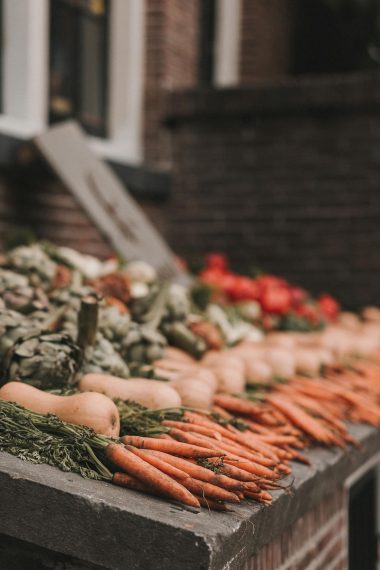
One thing I have on my to-do list, is to look into seasonal and local produce in order to save my wallet and help the environment. Seasonal veggies are usually cheaper, and with the added benefit that they have not had to travel far from where they’ve been farmed, you’ll be minimising your carbon footprint. This could even help with your decision making for what to cook. A dinner party on a cold January evening? Why not cook up a delicious and wholesome stew using root vegetables and garlic?
Run the fridge to the bare minimum once in a while
One of my friends recently mentioned ‘running the fridge dry’ in January, and I liked the idea of having a super low-cost and minimalist month. I believe this is most likely to work if you’re a single person household or cohabiting, as you can use this as an opportunity to use up all the leftover things in your cupboard. How satisfying! If you’re a perfectionist, it’s worth remembering that not all meals have to be recipes followed to the T, and that most of the time if you chuck a load of yummy ingredients together, it will come out decent! Although, don’t do what my first year housemate did and add tinned tomatoes, tuna, artichoke, and eggs to a frying pan and hope for the best…
Shopping Local: Farmers’ Markets in London
While researching for this article, I came across some farmers markets in London that I am so excited to try! These markets offer a chance to shop out in the fresh air, contribute to local communities, and shop locally and sustainably.
Twickenham Farmers’ Market
The Twickenham Farmers’ Market runs every Saturday from 9am–1pm at Holly Road Car Park (TW1 4HF). You’ll find baked goods, vegetables, fresh pasta, and local honey — but the stall I’m most excited about is the Jamaican sauces.
Balham Farmers’ Market
This Farmers Market takes place at Henry Cavendish Primary School every Saturday between 9am and 1pm. Offering produce from fruit, to gin, to flowers!
High Street Kensington Farmers’ Market
Why not combine your local food shop with your shopping spree at High Street Kensington? Located at Phillimore Walk, this market offers slightly different hours of 10am and 2pm. Offering fruit, breads and baked goods, cooked local foods and more!
For more locations and details, visit the London Farmers’ Market website.
Small steps, lasting change
January doesn’t need a long list of resolutions to feel meaningful. A sustainable reset is about simple, manageable changes to your daily routine. Pick one habit this month — small actions create lasting impact.