
Last Updated on February 1, 2026 by Ecologica Life
Plastic is everywhere – in our oceans, our soil, and even our blood. With the plastic pollution crisis growing more urgent, consumers are turning to “eco-friendly” alternatives like bamboo, stainless steel, and silicone. But here’s the million-dollar question: Is silicone just another form of plastic? or is it truly better for the planet?
If you’ve ever swapped a plastic spatula for a sleek silicone one, you’re not alone – but you might be surprised by what the science actually says. Let’s break it down.
Table of Contents
What Is Plastic? (In Simple Terms)
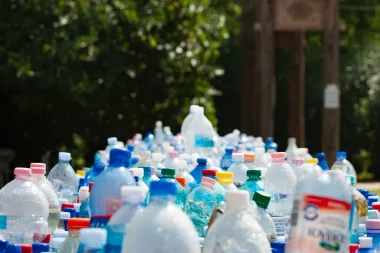
Plastic is a synthetic polymer, which means it’s made of long chains of repeating molecules. These chains are typically derived from fossil fuels like petroleum or natural gas.
Common plastics include:
- PET (polyethylene terephthalate) – water bottles
- HDPE (high-density polyethylene) – milk jugs
- PVC (polyvinyl chloride) – pipes, some toys
- Polypropylene – food containers, straws
These materials were designed for durability, but that’s exactly the problem: they don’t go away.
Instead of biodegrading, plastic breaks down into smaller fragments – microplastics, and eventually nanoplastics. These particles have now been found in:
- Soil and oceans
- Rainfall and the air we breathe
- Human blood, lungs, placenta, and even testes.
This is why plastic is both a technological marvel and an environmental disaster.
What Is Silicone? (And Why It’s Not “Just Another Plastic”)
Many people assume silicone is a plastic. But that’s not quite right.
Silicone is a hybrid material – made from a backbone of silicone and oxygen atoms (not carbon-based like plastic), bonded with organic groups. It’s technically a siloxane polymer, often derived from silica (sand).
Key properties of silicone:
- Heat resistant (up to 300ºC)
- Chemically stable
- Flexible and durable
- Water-resistant and non-reactive
Because of these traits, silicone is widely used in:
- Baby products (bottle nipples, teething toys)
- Medical devices (catheters, implants)
- Kitchen tools (baking mats, spatulas)
- Automotive and industrial seals.
So while silicone looks and feels like plastic, its structure and behaviour are fundamentally different.
Silicone vs Plastic: Environmental Impact Compared
Let’s compare apples to apples – or spatulas to spatulas.
| Feature | Plastic | Silicone |
| Fossil-fuel based | ✅ Yes | 🔶 Partially (sand + energy-intensive processing) |
| Biodegradable | ❌ No | ❌ No |
| Forms microplastics | ✅ Yes | 🔶 No (but may shed other small particles like siloxanes) |
| Heat resistant | ❌ Often melts | ✅ Up to 300ºC |
| Reusable lifespan | 🔴 Short (esp. single-use) | 🟢 Long-term reuse |
| Recycling | 🔴 Limited | 🔴 Even more limited |
Microplastics: Silicone and Plastic
One of the key reasons silicone is often positioned as a greener alternative to conventional plastics is its resistance to fragmentation into the tiny particles known as microplastics. Traditional plastics – especially petroleum-based polymers like polyethylene, polypropylene, and polystyrene – are prone to becoming brittle under UV light, heat, abrasion, and environmental stress. Over time, these materials break apart into microplastics and even nanoplastics.
Silicone, chemically a siloxane polymer with a silicon-oxygen backbone rather than the carbon-carbon backbone of most plastics, generally resists degradation via the same pathways that produce microplastics Its elastic, durable structure makes it less likely to fracture into the kind of persistent solid fragments typical of microplastics – a major reason many environmental scientists and material researchers have considered silicone a comparatively stable polymer.
That said, newer research highlights important nuances:
- Laboratory studies have shown that silicone sealants and products subjected to wear, heat, or mechanical stress can release small particles detectable at micro-or nanoscales, though these particles are chemically distinct from conventional plastic microplastics.
- Analytical work focusing on daily-used silicone and latex items – like pacifiers (dummies) – showed that mechanical breakdown can produce nano-sized particles from silicone and latex materials under mechanical stress.1 Additionally, boiling the pacifiers prior to mechanical breakdown resulted in a higher number of particles released from the silicone but not the latex pacifier. Particles from the latex pacifier are acutely toxic to the freshwater zooplankter Daphnia magna.
- Its important to note that the previous study used an immersion blender at its highest setting to simulate mechanical stress. Expert commentary suggests that typical household use doesn’s usually generate significant microplastic-sized particles from silicone, but over long service lives or under extreme mechanical or thermal stress, minute fragments might form.
Crucially, there is still no broad consensus in the scientific literature confirming that silicone contributes to microplastics at the same magnitude, abundance, and environmental persistence as conventional plastics – but emerging studies indicate that under specific conditions, silicone particles can be released. More research is needed to fully understand the extent and significance of this phenomenon.
At a minimum: while silicone’s molecular structure reduces the likelihood of classic microplastic fragmentation, researchers are actively investigating whether silicone microplastics or nanomaterials should be part of the broader discussion on synthetic plastic pollution.
So Which Should We Choose?
When it comes to material selection, the answer isn’t simply “silicone is better than plastic” — it’s more nuanced.
Strengths of Silicone
- Reduced microplastic risk: Current evidence suggests silicone tends not to generate typical petroleum‑plastic microplastics under routine use, and when particles are shed they may be fewer and chemically distinct.
- Durability: Silicone lasts a long time and withstands high temperatures without the widespread fragmentation that characterizes many plastics.
- Chemical stability: High‑quality, food‑grade silicone doesn’t leach BPA or phthalates the way many plastics can.
Limitations and Considerations
- Particle shedding under stress: Some research — particularly studies using mechanical abrasion and heat — shows that silicone materials can release nano‑sized particles under certain conditions. These might not be “microplastics” in the classical sense, but they are synthetic polymer fragments that warrant further study.
- Chemical concerns: Silicone products can contain cyclic siloxanes (e.g., D4, D5), some of which are regulated as substances of concern due to persistence and potential ecological effects.
- Non‑biodegradability: Like plastics, silicone does not readily biodegrade, persisting in landfills unless specialized recycling is available.
Balanced Guidance
Silicone can be a more environmentally responsible choice than many conventional plastics — especially when it replaces single‑use plastic and is used over many years. But it’s not a perfect solution, and overreliance on silicone without thinking about product longevity, maintenance, and proper end‑of‑life handling can still contribute to environmental burden.
Conclusion: Silicone vs Plastic — A Nuanced Choice (Revised)
The comparison between silicone and plastic isn’t black‑and‑white — and increasing scientific scrutiny shows why.
Silicone’s advantages include a chemical structure that generally resists the type of fragmentation that produces widespread microplastics, as well as high heat tolerance and relative chemical inertness in many applications. This can make silicone a better alternative to disposable plastics in kitchenware, baby products, and other everyday items when used responsibly.
But the story doesn’t end there. Laboratory evidence shows that silicone materials can release very small particles under mechanical or thermal stress, and while these might not be classic microplastics, they represent synthetic material loss that could have biological or ecological relevance. Emerging concerns around siloxanes — some of which are regulated due to persistence and toxicity — further highlight the need for careful study and smart use.
The real takeaway? Material choice matters — but so do how and how long we use materials. Durable products that replace single‑use items, minimize fragmentation, and remain in service for years are almost always more responsible than disposable alternatives, regardless of specific polymer chemistry.
In a future where scientific understanding continues to evolve, the goal should be informed choice, reduced overall consumption, and support for research into the environmental and health impacts of all synthetic materials — silicone included.
I apologise if the conclusion isn’t clear cut here, but the research indicates that science is still undecided about silicone. With more research, we can all be better informed. If you liked this story let me know and I will update you on the latest research around silicone as well as plastics and microplastics as more evidence comes out.
Want to go deeper?
Check out our related articles on:
- How Ingesting Microplastics is Affecting Aquatic Mammals
- How Microplastics Can Disrupt Hormones
- What Are Microplastics? Should You Be Worried?
- Millions of Microplastics Leak from Baby Bottles
How do you reduce your plastic use at home? Share your tips with us below!